

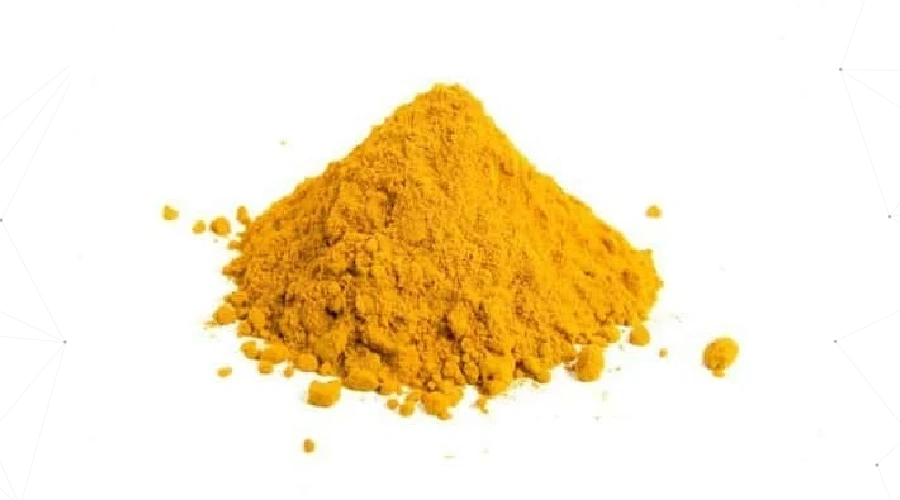
The dried root of Curcuma longa plant of the ginger family, Turmeric is native to the Indian subcontinent and Southeast Asia. Being perennial and Rhizomatous, it requires between 20-30 degree Celsius and a good amount of annual rainfall to grow. The rhizomes are collected every year. They are either used as it is or boiled in water and dried. They are then powdered into an orange-yellow powder.
Native to Asia, Turmeric was initially used as a dye. However, since the discovery of its medicinal properties, it’s been used in Ayurvedic, traditional Chinese medicine, and other forms as well. India is known to have the largest number of species of turmeric with Thailand up close in the second position.
Turmeric is a spice known to have multiple uses and health benefits. Let’s take a look at some of the common ones –
Culinary – Turmeric in the powdered form is used as a spice in a number of various dishes across the planet.
Culinary Dye – The golden yellow colour of turmeric is used as a dye.
Culinary Indicator – It is used as a chemical indicator to test for acidity and alkalinity.
Culinary Medicinal – As a plant with medicinal values, Curcuma has plenty of use in home remedies and ayurvedic treatment.
Anti-inflammatory medicine Anti-inflammatory medicine
Anti-inflammatory medicine Pain reliever
Anti-inflammatory medicine Antioxidant
Anti-inflammatory medicine Cancer treatment
Anti-inflammatory medicine Digestion